Injectors and high-pressure pumps are precision components with manufacturing tolerances in the
micrometre range. Fuel is not just an energy source here — it is also the
lubricant and coolant for the entire injection system. Poor fuel quality
is one of the most common causes of premature wear — and the one most often overlooked.
What does “poor fuel” mean?
The term sounds like an obvious problem — stale diesel or visible contamination. In practice it is more subtle:
The wrong fuel — petrol in a diesel engine or the other way round. Even small quantities are enough to destroy lubrication completely.
Water content — forms through condensation in the tank, particularly with seasonal use or long periods standing. Water does not lubricate, corrodes metal surfaces and can cause cavitation damage in the pump.
Microbial growth — bacteria and fungi grow at the water/diesel interface. They form sludge that blocks filters and clogs injectors.
Lack of lubricity — modern low-sulphur diesel has inherently poorer lubricating properties than earlier fuel generations. Without additives, wear on pump plungers and injector needles increases measurably.
Particle contamination — dust and rust particles from old tanks or lines that pass the fuel filter and reach the precision components directly.
How does poor fuel damage the injection system?
| Cause | Component affected | Typical damage |
|---|---|---|
| Water content | Pump, injectors | Corrosion, cavitation, damage to running surfaces |
| Microbial growth | Filter, injectors | Blockage, uneven injection |
| Low lubricity | Pump plunger, injector needle | Abrasion, increased wear, metal debris |
| Particles | Control valve, nozzle | Scoring, sticking, leakage |
| The wrong fuel | Entire injection system | Total failure within a short time |
Why does this matter particularly for fleets and workshops?
Individual vehicles usually refuel at branded filling stations with a regular fuel turnover. With fleets, construction machinery and agricultural vehicles the picture is different:
- Own filling points with large storage tanks — water collects at the bottom
- Seasonal use — long idle periods encourage condensation and microbial growth
- AdBlue mix-ups or contamination in older tank systems
- Diesel from unknown sources on site or abroad
If several vehicles in a fleet show similar injector faults at the same time, fuel as a common cause should always be checked first — before individual injectors are identified as the culprits.
How do you recognise fuel-related damage?
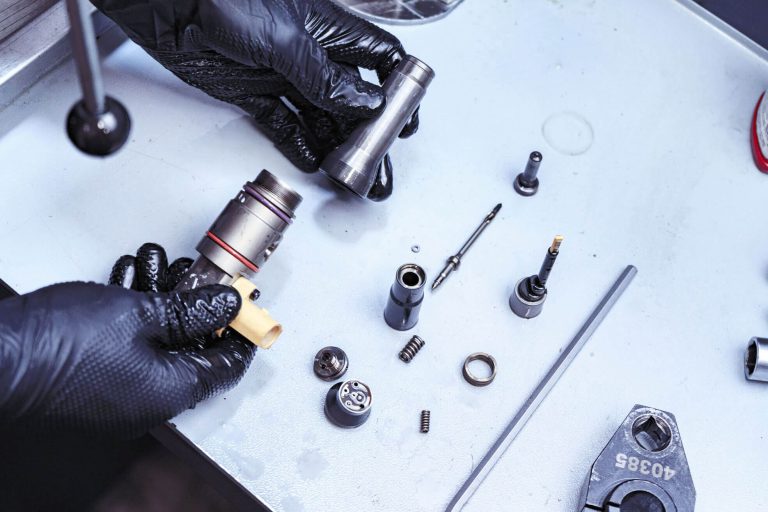
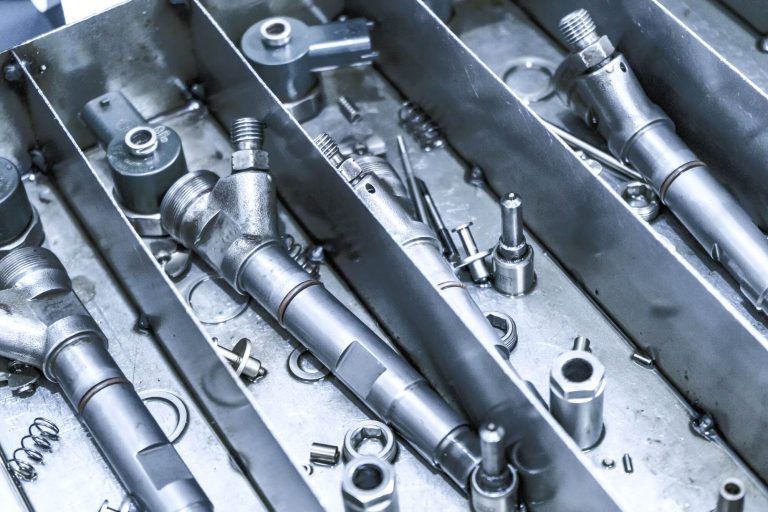
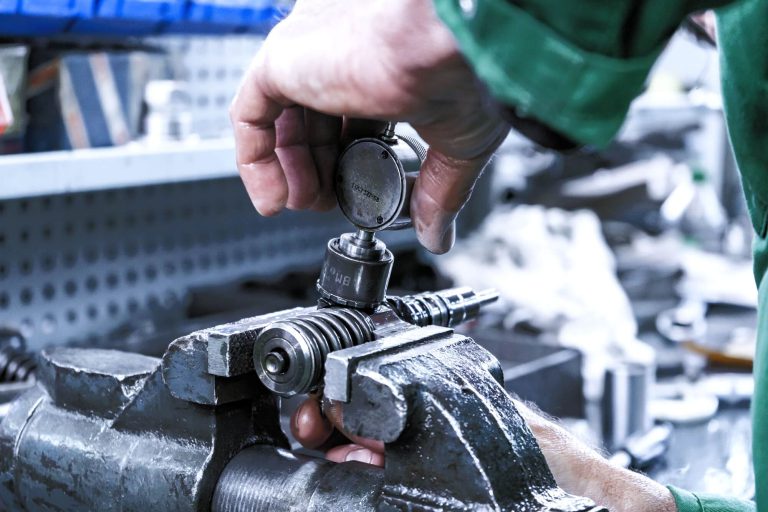
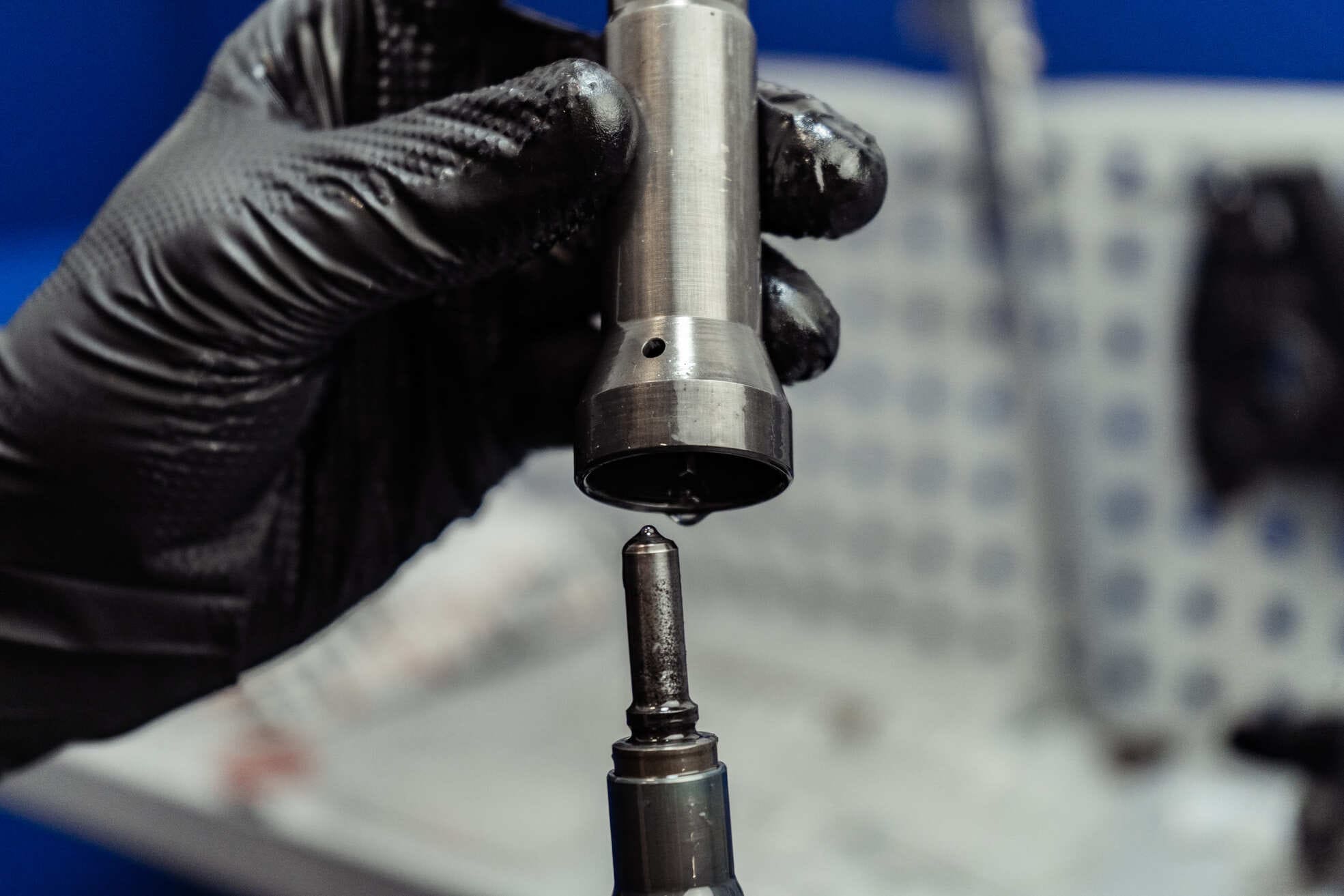
On the injector itself there are typical indications that become visible during test bench measurement and disassembly:
- Traces of corrosion on the injector needle or in the nozzle body
- Abrasion patterns on pump elements that point to inadequate lubrication
- Residues and deposits in the control valve
- Metal debris in the fuel return — a clear sign of abrasion in the pump
We document findings like these as part of the diagnostics. They help not only with the repair decision — they also show whether the cause is still present in the system.
Repair without removing the cause achieves nothing
An injector damaged by contaminated fuel will fail again after the repair — unless the fuel circuit is cleaned and the cause removed. In practical terms that means:
- Replace the fuel filter
- Check the tank for water content and microbial growth
- Flush the rail and fuel lines where necessary
- Establish the source of the contamination — tank, tank system, fuel supply
Replacing only the injector and ignoring the rest does not solve the problem — it postpones it.
What we do at INP
When injectors or pumps reach us and the findings point to fuel problems, we say so. We recommend a repair only where the surrounding conditions are right — otherwise it is not a lasting solution.
For fleet operators and workshops that send us components regularly, a short conversation about tank care and filter change intervals is worth having. It often reduces wear considerably.
Not sure whether a repair is worthwhile?
Send us the vehicle type and injector type — we will come back to you on
the same working day with an honest assessment. Free and without obligation.
→ Open WhatsApp or +43 676 9799199
INP Dieseltechnik · Injectors & injection pumps · Vienna