Anyone who drives a diesel or works in a workshop comes across both terms regularly. But what lies behind them — and why does the difference matter so much for diagnostics and repair?
How does Common Rail work?
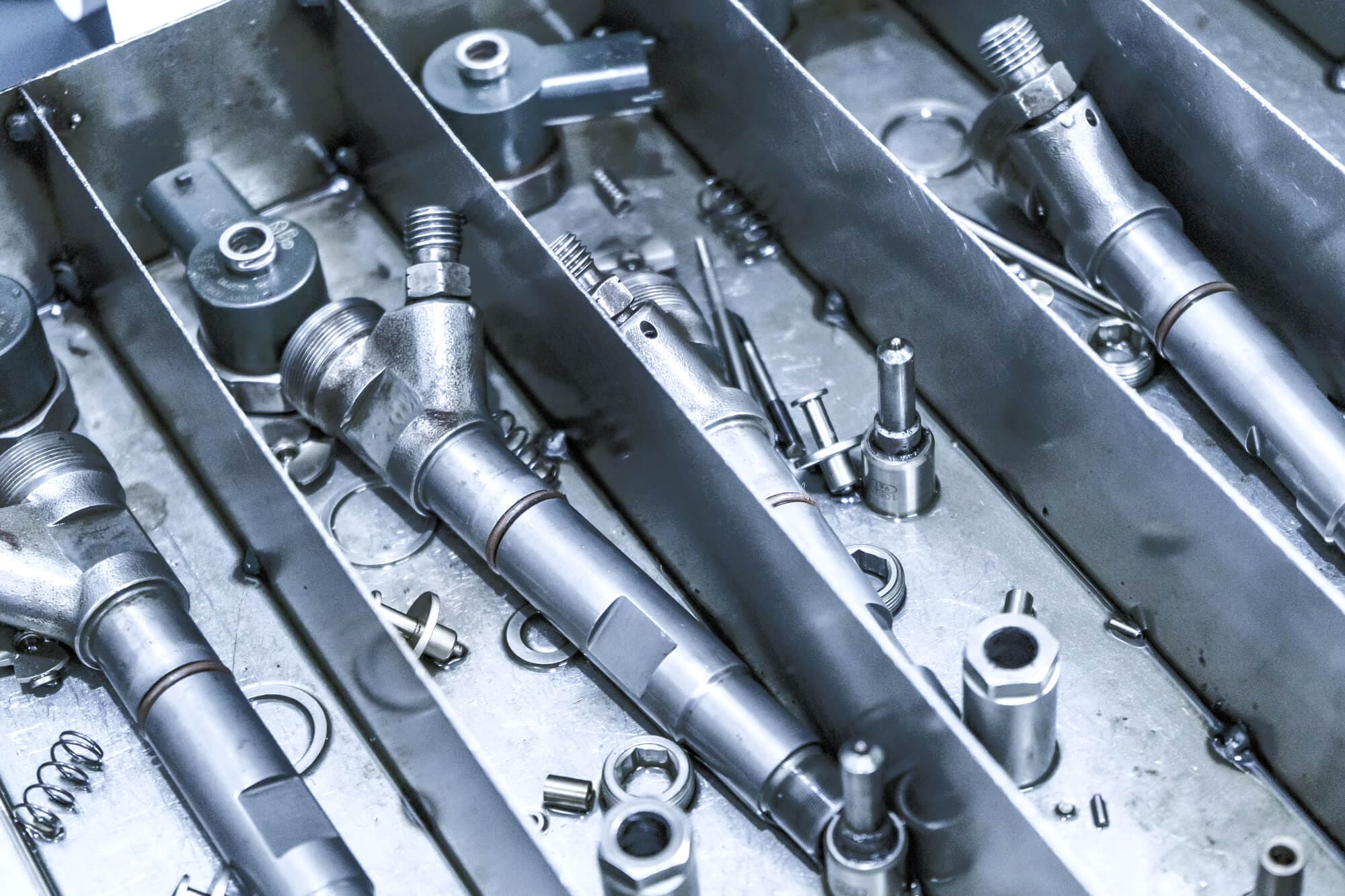
In a Common Rail system, fuel is pumped by a high-pressure pump into a central accumulator — the rail. From there it supplies all injectors at once. Depending on the system, injection pressure lies between 1,600 and 2,500 bar.
The injectors open and close under electronic control — precisely, several times per working cycle. This allows pilot, main and post injection within milliseconds. The result: clean combustion, low emissions and good torque across a wide rev range.
Typical manufacturers: Bosch, Delphi, Denso, Continental VDO (Siemens)
Where you find it: Almost all modern diesel cars and trucks from around 2000 onwards
How does the unit injector system work?
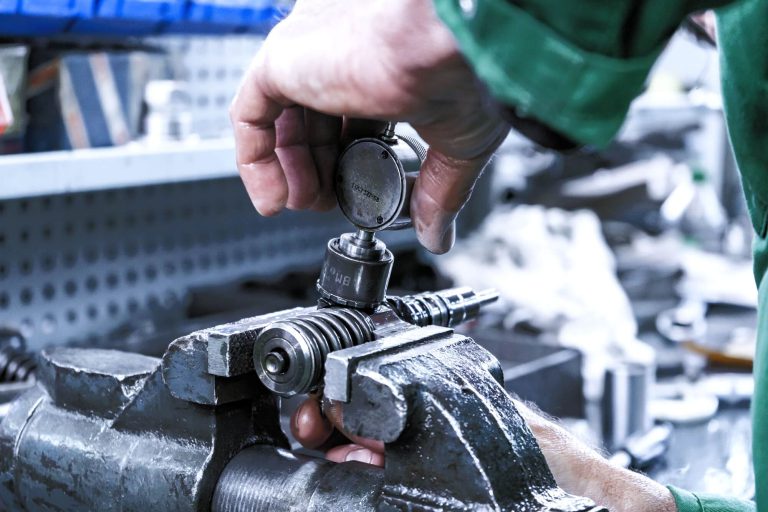
In the unit injector system (Pumpe-Düse, UIS) the injection pump is built directly into each injector. There is no shared rail — every cylinder generates its own pressure, driven by the camshaft.
That brings one decisive advantage: extremely high injection pressures of up to 2,050 bar — more than any Common Rail system at the time it was introduced. The drawbacks: mechanically more complex, noisier and considerably more sensitive to wear.
Typical manufacturers: Volkswagen Group (1.9 TDI, 2.0 TDI, 1.4 TDI), Scania, Caterpillar
Where you find it: Mainly VW, Audi, Škoda and Seat — model years around 1998 to 2008
What are the practical differences?
| Common Rail | Unit injector | |
|---|---|---|
| Pressure generation | Central (rail) | Local (per injector) |
| Injection pressure | 1,600–2,500 bar | up to 2,050 bar |
| Control | Electronic | Electronic + mechanical |
| Running noise | Quieter | Louder, characteristic knock |
| Maintenance effort | Moderate | Higher |
| Repairability | Very good | Good, but more involved |
What does that mean for diagnostics?
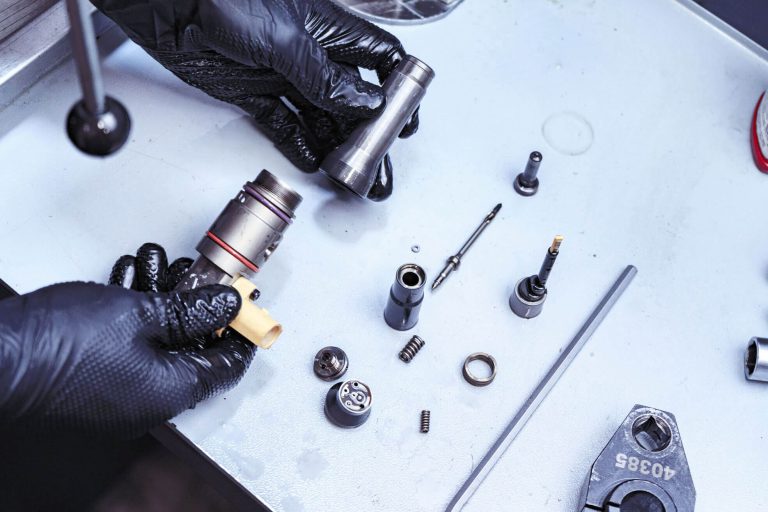
With Common Rail, injector condition can be narrowed down well through return flow measurements and test bench values. A faulty injector often shows up through higher consumption, sooting or misfires — and can be tested and repaired in isolation.
With unit injectors, diagnostics are mechanically more complex. Because each injector contains its own pump unit, wear presents differently — often as uneven running or a hard cold start. The repair calls for specialised equipment and detailed knowledge of the system.
Which costs more — repair or replacement?
The same applies to both systems: professional repair is in most cases considerably cheaper than buying new injectors. Particularly with unit injectors, where a new unit quickly runs into several hundred euros each.
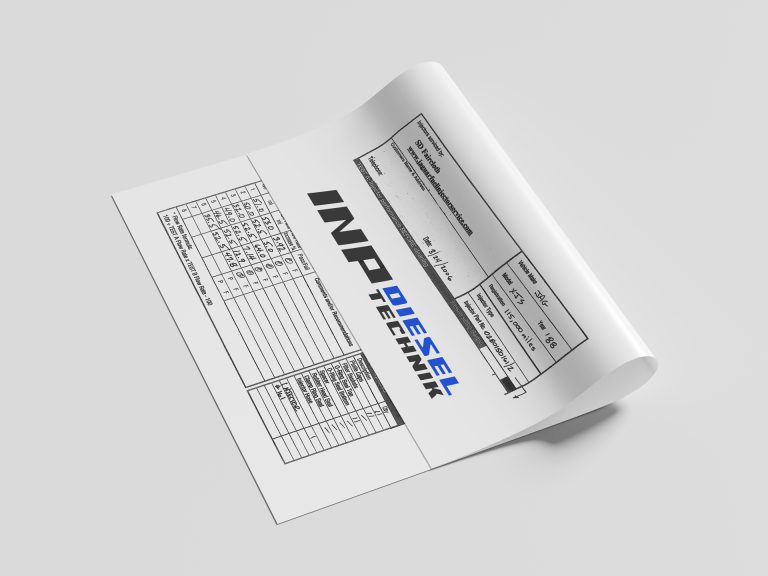
What matters is not only the price, though, but whether a documented test bench measurement comes with the repair. That is the only way to know the injector is genuinely working within manufacturer tolerances again.
Not sure whether a repair is worthwhile?
Send us the vehicle type and injector type — we will come back to you on
the same working day with an honest assessment. Free and without obligation.
→ Open WhatsApp or +43 676 9799199
INP Dieseltechnik · Injectors & injection pumps · Vienna