A faulty injector rarely fails outright. The problem usually creeps in slowly, with symptoms that are easy to blame on something else. Spotting early that an injector is no longer working properly saves expensive consequential damage to the engine.
The most common signs of a faulty injector
Rough running and juddering
The most obvious symptom: the engine runs unevenly at idle or judders under acceleration. The cause is usually an incorrect injection quantity — the injector delivers too much, too little or at the wrong moment. On a four-cylinder engine, a single faulty injector is enough to make the running noticeably worse.
Loss of power
If the vehicle responds noticeably more slowly — particularly when overtaking or under load — a weak or leaking injector may be the cause. The engine no longer receives the right amount of fuel at the right time.
Increased fuel consumption
An injector that permanently delivers too much fuel (a “leaking” injector) raises consumption measurably. If you refuel regularly and suddenly use more than usual, do not ignore it.
Black or blue smoke
Black smoke points to an over-rich mixture — too much fuel, too little air. Blue smoke can indicate burnt oil, often caused by an injector that leaks into the combustion chamber and dilutes the engine oil with fuel. Both are clear warning signs.
Misfires and engine fault codes
Modern vehicles detect cylinder misfires electronically. If the engine warning light comes on and the ECU stores codes such as P0201–P0204 (injector circuit), targeted diagnostics are needed.
Difficult starting
An injector that does not seal when at rest lets fuel drip into the cylinder or bleeds off the pressure in the rail. The result: the engine is hard to start — particularly in cold weather or after standing for a while.
Common Rail, unit injector, piezo — does it make a difference?
Yes. The symptoms are often similar, but the diagnostics differ from system to system:
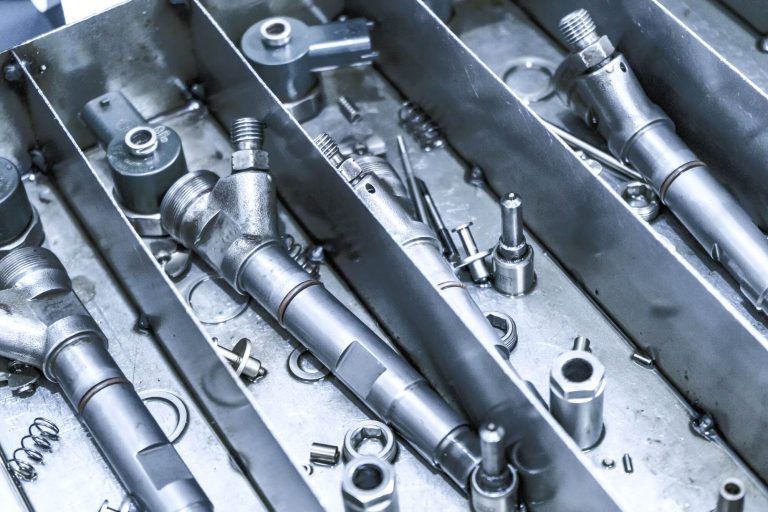
- Common Rail injectors (Bosch, Delphi, Denso and others) are supplied centrally from a high-pressure accumulator. Leaks or wear on the control valve are typical sources of failure.
- Unit injector systems (mainly VW/Audi) run at very high injection pressures — up to 2,050 bar. Symptoms often present more sharply.
- Piezo injectors are particularly sensitive to fuel quality. Faults sometimes show only as slight juddering that becomes apparent on the test bench.
Self-diagnosis or workshop?
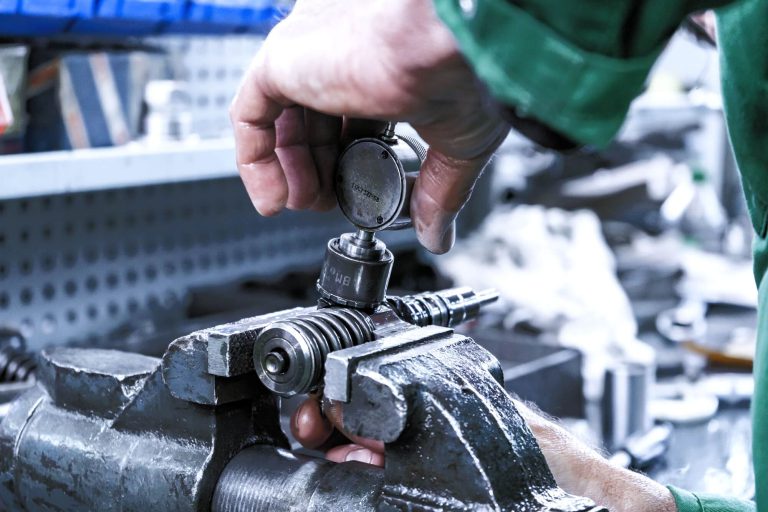
Some symptoms can be narrowed down with an OBD diagnostic tool. Fault codes give a first indication — but they only name the affected cylinder, not the exact cause. Whether the injector is actually faulty, how far it deviates and whether a repair is worthwhile only becomes clear from a test bench measurement.
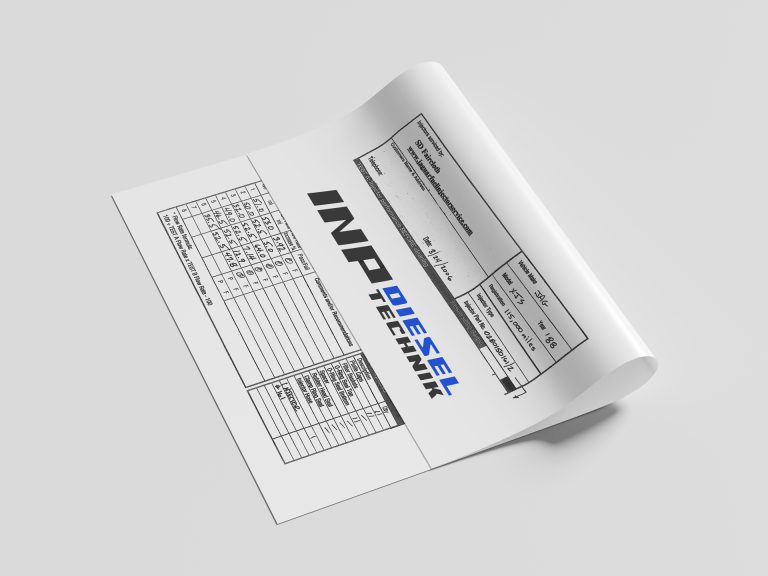
At INP Dieseltechnik every injector is measured on a calibrated test bench. We document the result in a test report — with actual figures, not just “faulty” or “OK”.
What happens if you wait too long?
A weak injector puts strain on the others. The ECU tries to compensate for the deviations — which over time leads to higher consumption, increased wear and, in the worst case, damage to the high-pressure pump or the catalytic converter. Acting early is cheaper in every case.
Do you suspect a problem?
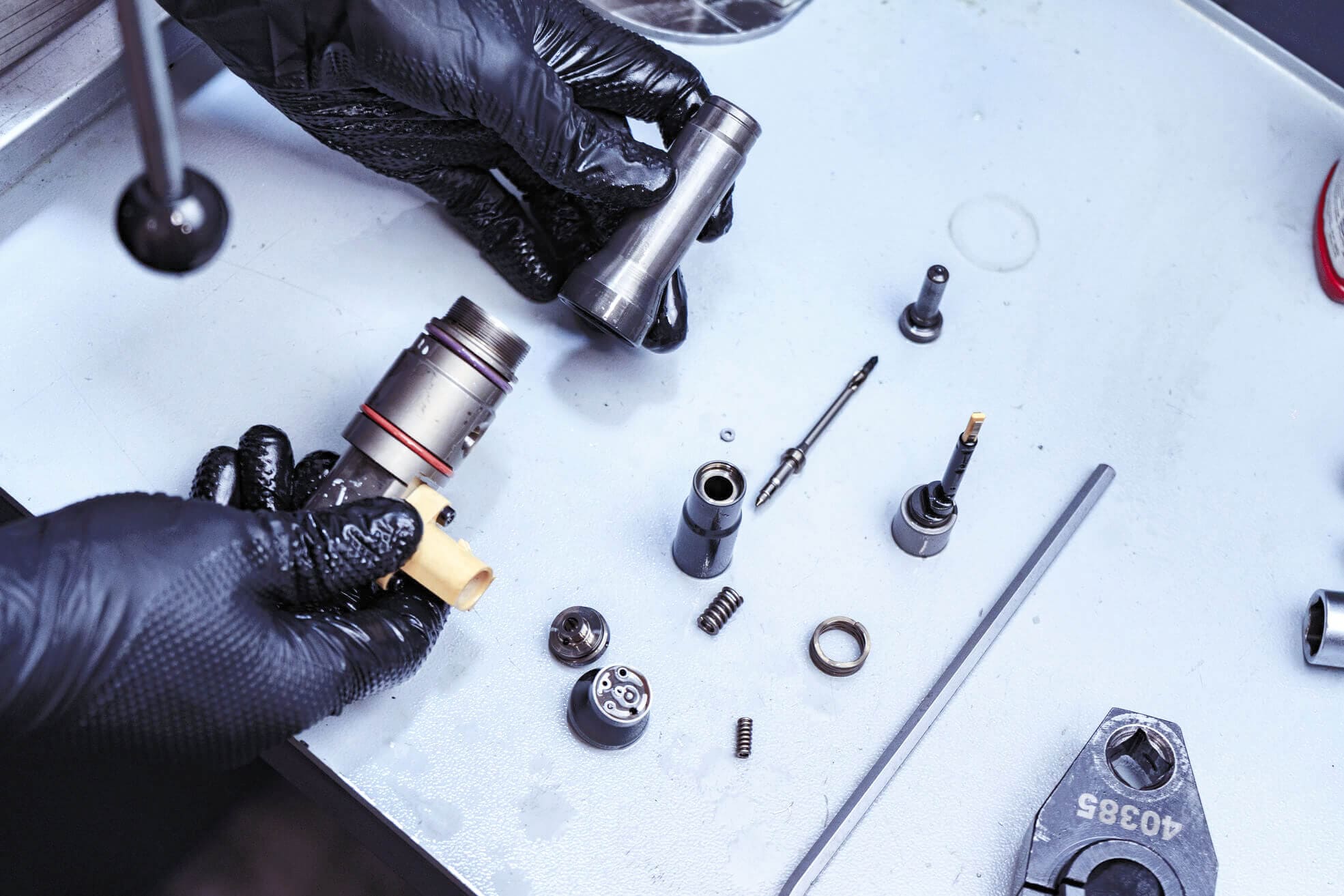
If any of these points apply to your vehicle, do not simply take it anywhere. Injectors are precision components. Cleaned incorrectly or “repaired” without measurement, they do more damage than before.
Not sure whether a repair is worthwhile?
Send us the vehicle type and injector type — we will come back to you on
the same working day with an honest assessment. Free and without obligation.
→ Open WhatsApp or +43 676 9799199
INP Dieseltechnik · Injectors & injection pumps · Vienna