Petrol engines with direct injection (GDI — Gasoline Direct Injection) have been widespread
since the 2000s. They use less fuel and deliver more power — but they have a known weak point:
the injectors gradually foul up. When cleaning makes sense, what it achieves
and how it differs from diesel repair.
What is the difference from port fuel injection?
With classic port fuel injection (PFI) the fuel is injected ahead of the inlet valve. The fuel spray washes over the valve on every cycle — deposits barely get a chance to build up.
With direct injection the fuel goes straight into the combustion chamber — no fuel passes the inlet valves at all. Oil vapours from the crankcase ventilation and combustion residues settle on the valves unhindered. The result: carbon deposits that grow over the years and restrict gas flow.
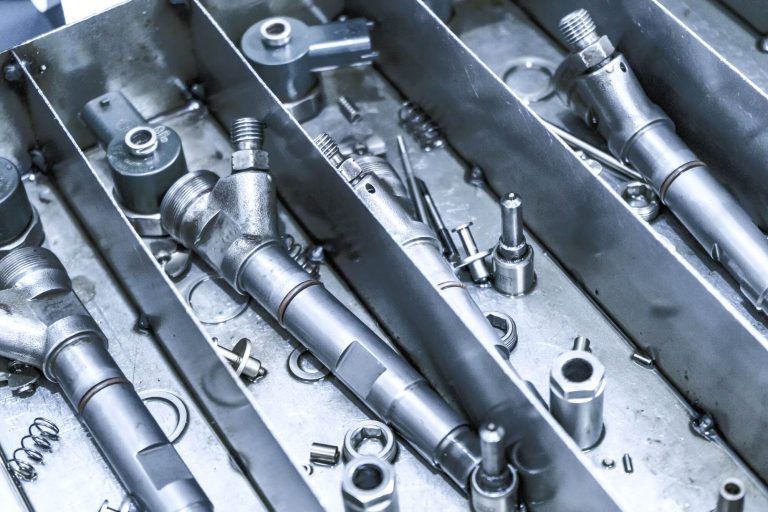
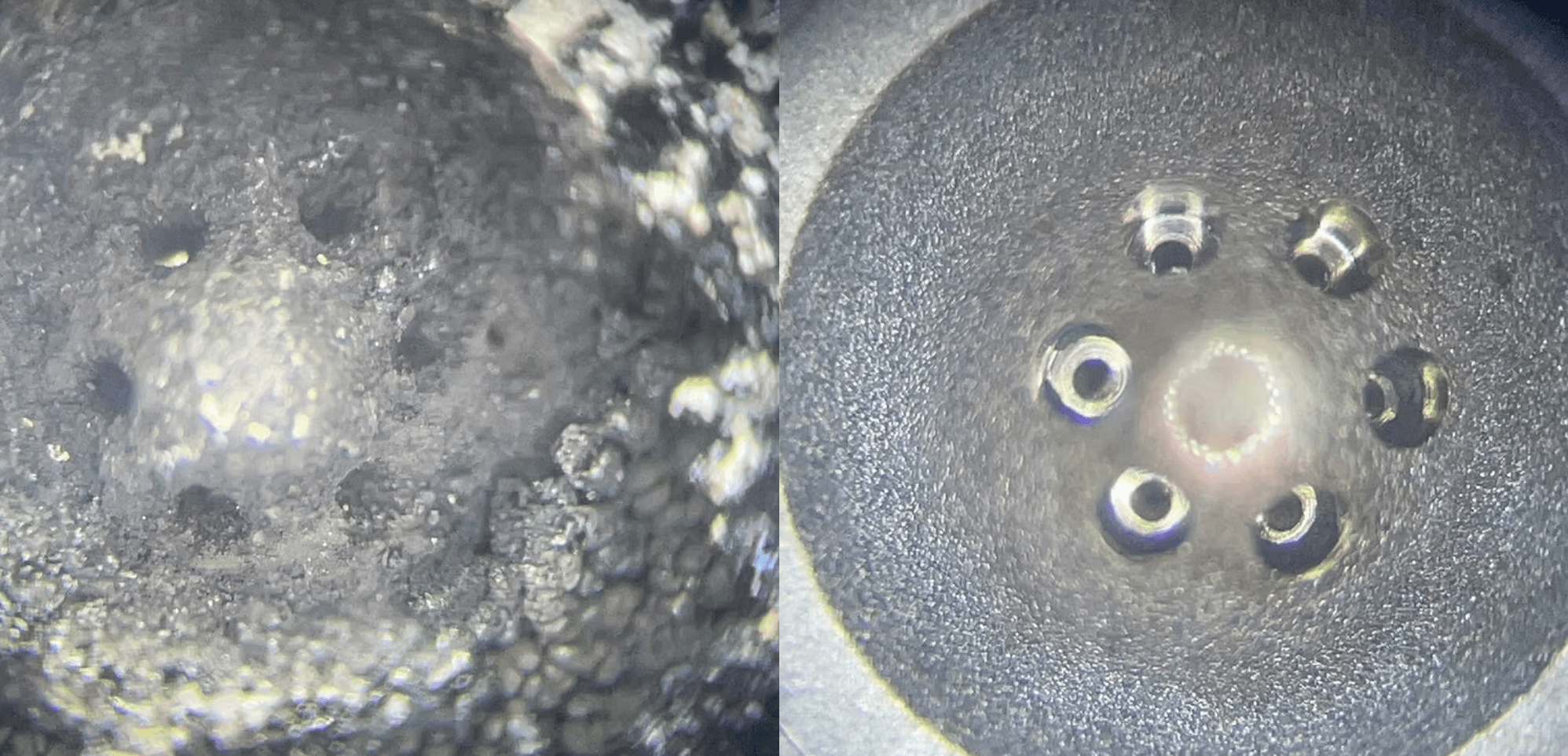
At the same time GDI injectors themselves are stressed by the high temperatures and pressures in the combustion chamber — and foul up at the nozzle tip.
When do you notice something is wrong?
The symptoms develop slowly — often over years:
- Rough cold starting that improves once the engine is warm
- Slight juddering at low revs
- Noticeably higher fuel consumption
- Performance that no longer feels as sharp as it used to
- At an advanced stage: misfires, engine warning light
Vehicles with long oil change intervals, a lot of short-journey use or engines without secondary port injection (dual injection systems) are affected most.
What does professional cleaning achieve?
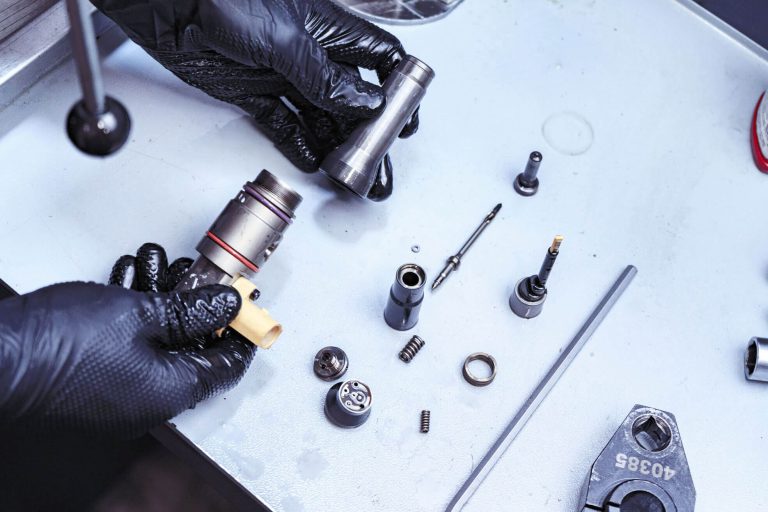
Ultrasonic cleaning of GDI injectors removes deposits at the nozzle tip, restores the correct spray pattern and brings the injection quantity back within tolerance.
What that shows in practice:
- Smoother running, particularly from cold
- Reduced fuel consumption
- Better throttle response
- Lower emissions
Important: cleaning the injectors does not remove deposits from the inlet valves. If those are heavily carboned up, a separate valve cleaning is needed — mechanically or by walnut blasting. The two together give the complete picture.
PFI and GDI — what differs in cleaning?
| GDI (direct injection) | PFI (port fuel injection) | |
|---|---|---|
| Injection point | Directly into the combustion chamber | Ahead of the inlet valve |
| Typical injection pressure | 100–350 bar | 3–6 bar |
| Injector fouling risk | High (combustion chamber heat) | Low |
| Valve deposits | A typical problem | Barely an issue |
| Cleaning effort | Higher, ultrasonic recommended | Lower |
At what point is cleaning worthwhile?
There is no fixed mileage threshold — engines, driving style and fuel quality vary too much. As a guide:
- From 80,000–100,000 km on GDI engines used mainly for short journeys
- Whenever symptoms are noticeable — regardless of mileage
- As a preventive measure on vehicles that are to stay in service long term
Cleaning is in every case considerably cheaper than replacing injectors — and in most cases makes a measurable difference.
What we do at INP
At INP Dieseltechnik we clean GDI and PFI injectors ultrasonically, check the
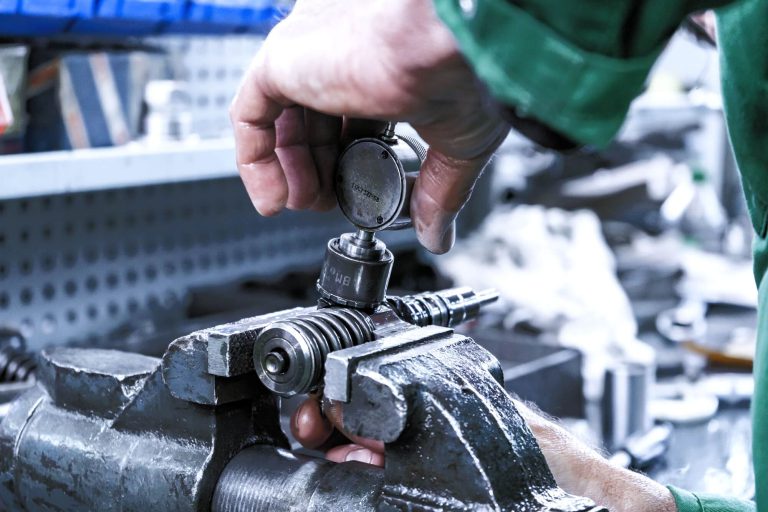
spray pattern and measure the injection quantity on the test bench. We document the result
— so you know whether the cleaning was enough or whether further work makes sense.
Not sure whether a repair is worthwhile?
Send us the vehicle type and injector type — we will come back to you on
the same working day with an honest assessment. Free and without obligation.
→ Open WhatsApp or +43 676 9799199
INP Dieseltechnik · Injectors & injection pumps · Vienna